
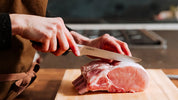
What Is a Boning Knife and What Is It Used For
, by seo rank, 10 min reading time
, by seo rank, 10 min reading time
A boning knife is a thin, sharp kitchen tool designed to remove bones from meat, poultry, and fish with precision. It allows clean cuts, reduces waste, and gives better control compared to standard knives, making it useful for both home kitchens and professional setups.
A boning knife is built for precision work around bones rather than heavy cutting.
It usually has:
A narrow blade
A pointed tip
A sharp edge for clean separation
Options in flexible or stiff blades
Unlike chef knives, it is designed to follow the shape of bones closely. This makes it easier to separate meat without tearing or damaging it.
From a real kitchen perspective, using the right boning knife improves both speed and accuracy, especially when preparing fresh meat at home.
The main purpose of a boning knife is to separate meat from bone while keeping the cut clean and controlled.
Removing bones from beef and lamb
Trimming fat and sinew
Preparing cuts for cooking
Deboning chicken or turkey
Separating joints like wings and thighs
Removing cartilage
Removing fish bones
Skinning fish
Preparing fillets
Creating clean portions
Reducing waste
A meat boning knife is especially useful when working with larger cuts because it allows you to cut close to the bone without losing valuable meat.
 Not all boning knives are the same. Each type is designed for a specific use.
|
Type |
Best Use |
Key Feature |
|
Flexible boning knife |
Fish and soft meat |
Bends easily for delicate cuts |
|
Stiff boning knife |
Beef and pork |
Stronger for tough meat |
|
Curved blade |
Around joints |
Better control |
|
Straight blade |
Clean cuts |
Simple slicing |
Choosing the right type depends on how you plan to use it.
Understanding the difference between a flexible boning knife and a stiff one is important before buying.
|
Feature |
Flexible Boning Knife |
Stiff Boning Knife |
|
Best for |
Fish, chicken |
Beef, lamb |
|
Movement |
Bends easily |
Firm and stable |
|
Control |
High precision |
Strong cuts |
|
Skill level |
Beginner friendly |
More control needed |
In practical use, a flexible blade helps when working with fish, while a stiff blade is better for thicker meat cuts.
A Japanese boning knife, often called a Honesuki, is slightly different from Western designs.
Thicker spine
Strong tip
Ideal for poultry
More control near joints
More flexible
Better for fish and trimming
Easier for beginners
If you are working mostly with chicken, a Japanese option can be more efficient. For general use, Western knives are more versatile.
Choosing the best boning knife depends on how you use it.
Flexible for fish
Stiff for meat
5–7 inches works best for most users
Non-slip handle improves safety
High-carbon steel keeps a sharper edge longer
A well-balanced knife reduces fatigue
A top-rated boning knife is not just about sharpness. It should feel comfortable in your hand and match your cutting style.
Many people confuse these two knives.
|
Feature |
Boning Knife |
Fillet Knife |
|
Blade thickness |
Medium |
Very thin |
|
Flexibility |
Moderate |
High |
|
Best use |
Meat and poultry |
Fish only |
|
Strength |
Stronger |
More delicate |
A fillet knife is better for fish, while a boning knife handles a wider range of tasks.
A professional boning knife is useful for:
Home cooks preparing fresh meat
Butchers
Chefs
Hunters
Even beginners can use it safely with basic practice. It gives better results compared to standard kitchen knives when working with bones.
 You may see both boning knife sets and single knives available.
Includes multiple blade types
Useful for professionals
Covers different tasks
More affordable
Enough for home use
Easier to maintain
If you are starting out, one high-quality knife is usually enough. A boning knife set is better suited for heavy or frequent use.
Some well-known options include:
Shun boning knife – known for sharpness and premium build
Benchmade boning knife – strong and durable, often used for outdoor and meat work
These examples show how different brands focus on different use cases, such as kitchen precision or heavy-duty cutting.
Using proper knife boning technique makes a big difference.
Always cut along the bone, not through it
Use short, controlled strokes
Keep your knife sharp
Avoid applying too much force
Let the blade do the work
From real kitchen experience, most mistakes happen when people rush or use the wrong knife type.
To maintain your boning knives, follow these simple steps:
Wash by hand instead of using a dishwasher
Dry immediately to avoid rust
Store in a knife block or sheath
Sharpen regularly
For buyers, especially those ordering online, always check:
Warranty or return policy
Delivery timelines
Material details
A reliable store should clearly mention these points to build trust.
A boning knife is used to remove bones from meat, poultry, and fish with precision. It allows clean cuts close to the bone, reduces waste, and improves preparation quality. It is commonly used by chefs, butchers, and home cooks handling fresh meat.
A boning knife is a narrow, sharp blade designed for cutting around bones. Unlike chef knives, it focuses on precision instead of chopping. Its thin design allows better control when separating meat from bone without damaging the texture.
Yes, a flexible boning knife works well for fish. It can remove bones and skin with smooth movements. However, a fillet knife may be better for very delicate fish preparation due to its thinner and more flexible blade.
If you often prepare fresh meat or poultry, a boning knife makes the process easier and cleaner. It improves accuracy and reduces waste compared to regular knives, making it a useful addition to any kitchen.
A boning knife between 5 and 7 inches is ideal for most tasks. It provides good control while working around bones and is suitable for both beginners and experienced users handling meat, poultry, or fish.
A boning knife is one of the most practical tools for anyone working with meat, poultry, or fish. It improves precision, reduces waste, and gives better control compared to regular kitchen knives.
Whether you choose a flexible boning knife for fish or a professional boning knife for heavy meat cuts, the right choice depends on your needs.
For buyers, it is important to select a reliable seller that provides clear product details, delivery timelines, and return options. This ensures you get a knife that performs well and lasts longer in everyday use.


