
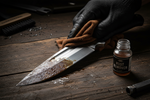
Why Do Knives Rust? Causes, Prevention, and How to Remove Rust
, by seo rank, 4 min reading time
, by seo rank, 4 min reading time
Rust forms when the iron in a knife's steel reacts with moisture and oxygen. While carbon steel knives are more prone to rust, even stainless steel can corrode if not properly cared for. Regular cleaning, thorough drying, proper storage, and occasional oiling are the best ways to prevent rust. If surface rust does appear, it can usually be removed with gentle cleaning and the right products, helping keep your knife looking and performing its best for years to come.
A quality knife is built to last, but even premium steel can develop rust if it's not properly cared for. Whether you own a kitchen knife, hunting knife, or everyday carry blade, understanding why rust forms is the first step toward keeping your knife in top condition.
In this guide, we'll explain what causes rust, how to prevent it, and the best ways to remove it without damaging your blade.
Rust is a form of corrosion that occurs when iron in steel reacts with oxygen and moisture. This chemical reaction creates iron oxide—the reddish-brown coating commonly known as rust.
Since most knife steels contain iron, nearly every knife has the potential to rust under the right conditions.
Several factors can contribute to rust formation.
Water is the biggest culprit. Leaving a knife wet after washing, exposing it to rain, or storing it in a damp environment can all encourage rust to form.
Salt accelerates corrosion. Kitchen knives used with salty foods and outdoor knives exposed to saltwater require extra attention because salt speeds up the oxidation process.
Foods like tomatoes, citrus fruits, onions, and vinegar can react with the blade's surface, especially if they're left on the knife for extended periods.
Storing a knife in a damp leather sheath or a humid environment can trap moisture against the blade. Leather is excellent for carrying a knife but isn't ideal for long-term storage because it can retain moisture.
Not all steels resist rust equally.
Preventing rust is much easier than removing it.
Follow these simple habits:
A few seconds of maintenance after each use can significantly extend the life of your blade.
If rust does appear, don't panic. Surface rust can often be removed with gentle cleaning.
For minor rust spots:
For more stubborn rust:
If rust has caused pitting or structural damage, it's best to have the knife inspected or refinished by an experienced professional. Severe corrosion can weaken a blade and may require more extensive restoration.
Not necessarily.
Light surface rust is usually cosmetic and can often be removed with proper care. However, if corrosion is allowed to continue, it can lead to pitting, edge damage, and reduced blade performance. Routine maintenance helps prevent small issues from becoming permanent ones.
A well-made knife is an investment, and like any quality tool, it benefits from regular care. By keeping your blade clean, dry, and lightly protected, you can minimize the risk of rust and keep it performing for years to come.
Whether you prefer carbon steel for its exceptional edge characteristics or stainless steel for its corrosion resistance, a few simple maintenance habits will help ensure your knife is always ready for the next task.
Check out our popular rust resistant knives
https://infinityknifeco.com/products/nomads-black?_pos=6&_sid=53d577949&_ss=r
https://infinityknifeco.com/products/nomadic-fde-micarta?_pos=5&_sid=53d577949&_ss=r
https://infinityknifeco.com/collections/strikeforce-gen4


